


Sketching the Light in Positano: A Watercolor Morning on the Amalfi Coast
Watercolor Journaling | October 4, 2026
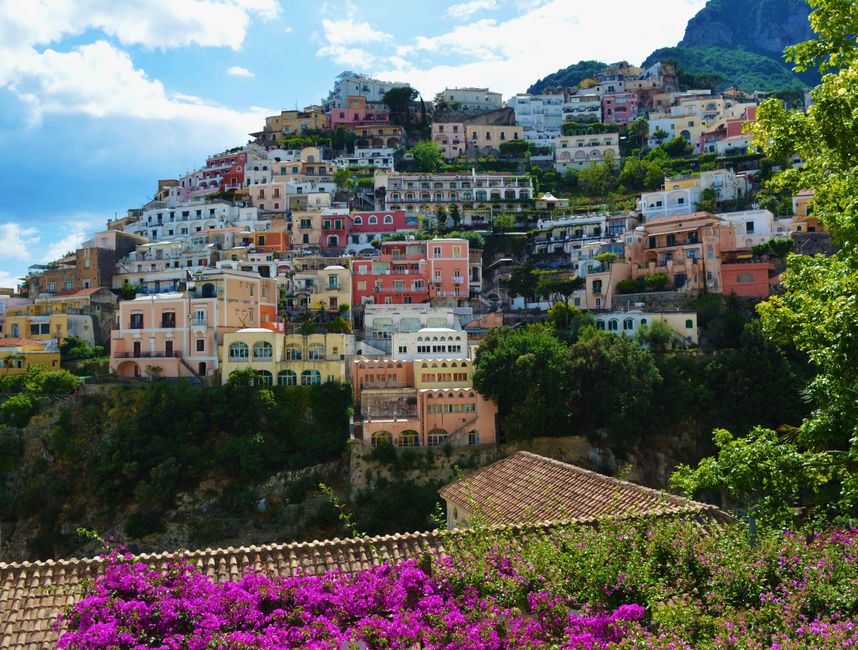
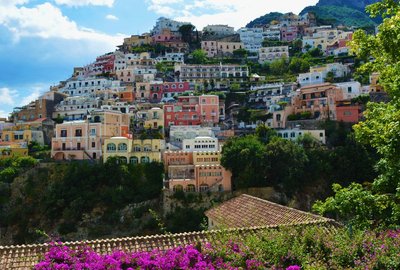
The first ferry doesn't arrive in Positano until nearly nine, which means that if you wake with the gulls, the village belongs to you. I learned this on my second morning there, after a sleepless night of jet lag and the distant clink of mooring lines. I grabbed my watercolor tin, a small rag, and a bottle of water, and climbed the stairs toward the Chiesa di Santa Maria Assunta while the sky was still the color of wet stone. By the time I found a low wall to sit on, the sun had begun to graze the top of the cliffside houses, turning them from gray to apricot in a matter of minutes.
Painting Positano is an exercise in restraint. The town is almost absurdly picturesque — stacked cubes of pink, ochre, and terracotta tumbling toward a blue so saturated it looks mixed from a tube. The temptation is to paint every window, every bougainvillea vine, every fishing boat. I've learned the hard way that this produces mud. Instead, I laid down a single wash for the sea, let it dry while I drank a cappuccino from a thermos, then blocked in the largest shapes of the buildings with a flat brush. The details — the shutters, the laundry lines, the tiny figures on the beach — came last, almost as afterthoughts.
What the Light Does at Different Hours
One of the quiet pleasures of staying somewhere for a week rather than a weekend is watching the same view transform. At seven in the morning, Positano is cool and blue, the shadows long and forgiving. By eleven, the light is harsh and the colors flatten into postcard territory. Around four, the sun swings behind the mountain and the whole amphitheater of houses glows like it's lit from within. I painted the same staircase three times in one day and got three completely different pictures. The morning version was loose and cool; the afternoon version was tight and anxious; the evening one, done in fifteen minutes before the light vanished, was the best of the three.
Practical Notes for Painting on the Coast
Salt air does strange things to paper. I bring a hardboard backing and clips, because a breeze off the Tyrrhenian will lift a loose sheet and send it into the sea before you can react. I also carry far less water than I think I need — there are fountains everywhere, and the local water is fine for pigment. A small spray bottle is more useful than a big jar. And if you're shy about painting in public, Positano will cure you quickly; someone will stop to watch, and eventually you stop minding. The town has been painted by thousands of people before you, and it will be painted by thousands after. That's not pressure. That's company.
-
Sketching the Light in Positano: A Watercolor Morning on the Amalfi Coast
Aug 29, 2026Journaling Practice

-
Packing Watercolors for the Coast: A Lightweight Kit That Actually Works
Sep 19, 2026Watercolor Journaling

-
Morning Coffee and Watercolor in Pacific Grove: A California Coast Sketch Diary
Sep 14, 2026Coastal Towns


-

-
Sketching the Light in Positano: A Watercolor Morning on the Amalfi Coast
Sep 12, 2026Journaling Practice

-
The Quiet Charm of Aldeburgh: A Sketchbook Walk Along England's Suffolk Coast
Sep 9, 2026Watercolor Journaling

Seaside Scribbles
Fish and chips, shingle beaches, and a town that rewards slow looking over sightseeing.