



Rye, England: Sketching the Cinque Ports on a Rainy Afternoon
Sketchbook Travels | September 16, 2026
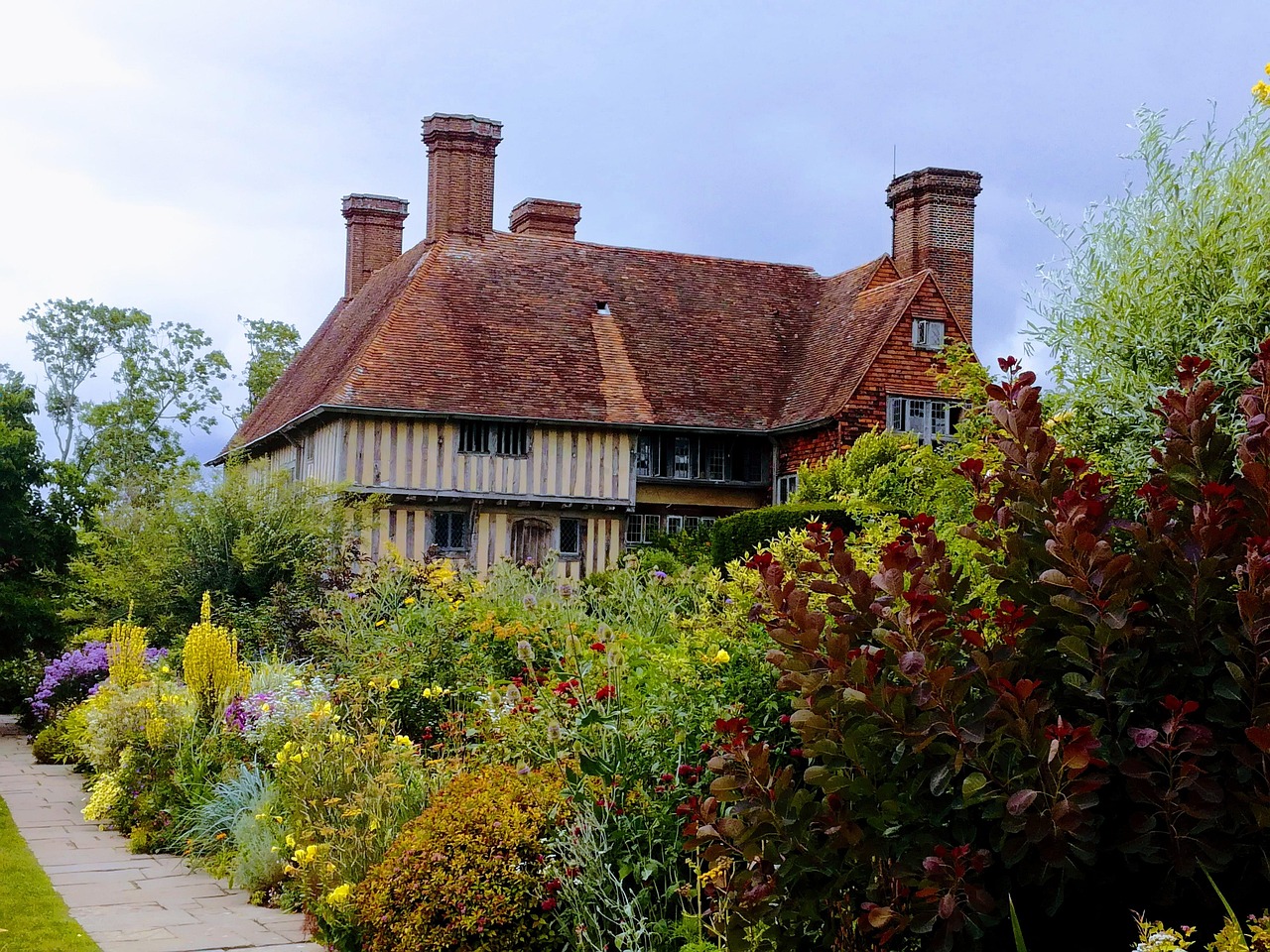
Rye is a town that seems to have been built specifically for people who like to draw old things. Every street bends in a way that makes you want to stop, and every building leans a little, as if it's been holding itself up for six hundred years and is tired but proud. I arrived on a Tuesday in October with rain in the forecast and a fresh sketchbook in my bag, and the rain did not disappoint.
I found shelter under the arch of the Ypres Tower, which is one of the oldest buildings in town, and set up my small watercolor tin on a stone ledge. The rain came down in that fine, persistent English way that isn't dramatic enough to be called a storm but is absolutely committed to soaking you. I sketched the rooftops below, the chimneys, the little gardens, the church tower rising behind everything like a patient parent. The colors were muted, grays and greens and the deep brown of wet brick, and I tried to keep the painting as quiet as the afternoon felt.
Why Rain Is a Gift to a Sketcher
Most people think rain ruins a sketching day. I've come to believe the opposite. Rain simplifies everything. It removes the tourists, softens the light, and forces you to work fast and loose because your paper is getting damp and your hands are cold. You stop fussing. You start committing. Some of my favorite pages are the ones painted in bad weather, because they have a kind of urgency that sunny sketches rarely achieve. The wash goes down once, dark and decisive, and that's that.
When the rain eased, I walked up Mermaid Street, which is the postcard street, the one with the cobbles and the timber-framed houses and the Mermaid Inn where smugglers supposedly drank. I didn't draw the famous view, because it's been drawn a thousand times and I had nothing to add. Instead I sat on a low wall and sketched a drainpipe, a window box with dead geraniums, and a cat watching me from inside a doorway. Those small things felt more like the truth of the place than any wide-angle view.
The Town After the Tourists Leave
By late afternoon, the day-trippers had gone back to London and Rye belonged to its residents again. I stopped into a small tearoom, ordered a pot of tea, and finished my page with a few written notes in the margins: the smell of woodsmoke, the sound of gulls, the particular shade of gray the sky turned just before dusk. This is the part of travel journaling that no camera can capture, the texture of an hour.
If you visit Rye, stay overnight. One day is not enough. The town changes when the light goes and the streets empty, and that's when it becomes something you can actually sketch, not just photograph. Bring a waterproof pen and a small palette. Bring a jacket that can handle a drizzle. And bring the willingness to sit in the rain for a while, because that's where the good pages come from.
-

-
Sketching the Light in Positano: A Watercolor Morning on the Amalfi Coast
Sep 10, 2026Sketchbook Travels

-
The Quiet Charm of Aldeburgh: A Sketchbook Walk Along England's Suffolk Coast
Sep 2, 2026Journaling Practice

-

-

-
Packing Watercolors for the Coast: A Lightweight Kit That Actually Works
Sep 17, 2026Written Reflections

-
Morning Coffee and Watercolor in Pacific Grove: A California Coast Sketch Diary
Oct 3, 2026Sketchbook Tours

-

-

Seaside Scribbles
Practical ways to keep a daily sketching habit alive on the road, even when you're tired or uninspired.